How Much Does a Patio Umbrella Cost? 2025 Price Guide
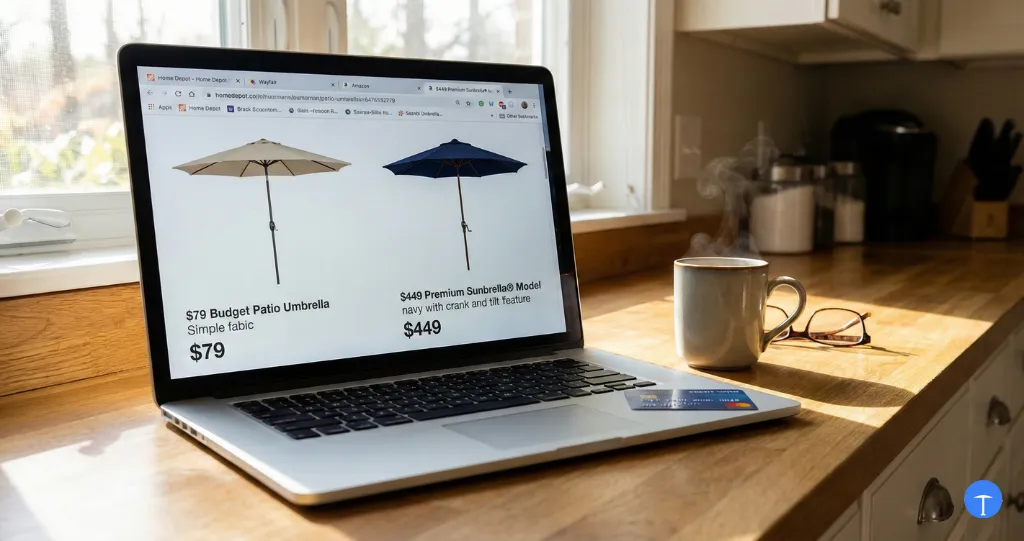
Patio umbrellas range from $30 for basic models to over $1,000 for commercial grade options. Most homeowners spend between $100 and $300 for a quality outdoor umbrella that lasts multiple seasons. The final price depends on size, materials, mechanism type, and whether you need a base (usually sold separately for $30 to $150).
That’s the quick answer, but there’s more to understanding umbrella pricing than a single number. A $50 umbrella might be perfect for your situation, or it might fall apart before summer ends. Let me break down what you’re actually paying for at each price point so you can make a smart decision for your space and budget.
Quick Price Overview
Here’s what to expect when shopping for a patio umbrella in 2025:
Budget range ($30 to $75): Basic polyester canopies, thin aluminum or steel frames, simple push up mechanisms. Fine for occasional use or if you store it when not in use.
Mid range ($75 to $200): Better fabric with improved UV protection, sturdier frames, functional tilt and crank systems. The sweet spot for most homeowners.
Premium range ($200 to $500): Solution dyed acrylic fabrics like Sunbrella, heavy duty frames, smooth mechanisms, longer warranties. Built to stay outside and look good for years.
Commercial and luxury ($500 and up): Restaurant quality construction, wind tested designs, premium materials throughout. Designed for daily use in business settings.
Most people land in the mid range category and are happy with their purchase. But your specific needs might push you higher or lower on this scale.
Price Ranges by Umbrella Type
Not all umbrellas are priced equally. Cantilever models cost more than market umbrellas. Larger sizes cost more than smaller ones. Here’s what to expect across different umbrella types:
| Umbrella Type | Budget | Mid Range | Premium | Commercial Grade |
|---|---|---|---|---|
| Market Umbrella (7 to 9 ft) | $30 to $60 | $60 to $150 | $150 to $350 | $350 to $600 |
| Market Umbrella (10 to 11 ft) | $50 to $80 | $80 to $200 | $200 to $450 | $450 to $800 |
| Cantilever (9 to 10 ft) | $100 to $175 | $175 to $350 | $350 to $600 | $600 to $1,000 |
| Cantilever (11 to 13 ft) | $150 to $250 | $250 to $500 | $500 to $900 | $900 to $1,500+ |
| Half/Wall Umbrella | $40 to $80 | $80 to $150 | $150 to $300 | $300 to $500 |
| Tilt Umbrella (basic) | $40 to $70 | $70 to $140 | $140 to $280 | N/A |
| Tilt Umbrella (premium mechanism) | $80 to $130 | $130 to $250 | $250 to $400 | $400 to $600 |
These prices reflect the umbrella only. Bases are almost always sold separately, which we’ll cover below.
Market Umbrella Prices
Market umbrellas are the classic center pole design you see everywhere. They’re the most affordable option because the engineering is straightforward: a pole goes through a hole in your table, and the canopy opens above.
For a standard 9 foot market umbrella, expect to pay $40 to $60 for something decent from a big box store. It’ll do the job for a season or two. Step up to $100 to $150 and you get better fabric, a stronger frame, and a crank that doesn’t feel like it’s about to snap.
Looking at best market umbrellas in the $200 to $350 range, you’re getting into Sunbrella fabric territory with commercial grade aluminum poles. These last 5 to 10 years with proper care.
Cantilever Umbrella Prices
Cantilever umbrellas (also called offset umbrellas) cost significantly more than market umbrellas. The side mounted design requires heavier engineering: a stronger pole, a more complex base, and a rotation mechanism that can support the canopy weight at an angle.
A basic 10 foot cantilever starts around $150, but honestly, cheap cantilevers are where I see the most disappointment. The offset design puts serious stress on components, and budget models often fail at the pivot points or tip over in moderate wind.
For cantilevers, I’d suggest starting your search in the $250 to $400 range. Check out top cantilever options if you want specific recommendations. Premium cantilevers from brands like Treasure Garden or Purple Leaf run $500 to $900 and include features like 360 degree rotation and easy tilt adjustment.
Specialty Umbrella Prices (Half, Beach, Commercial)
Half umbrellas mount flat against a wall, making them perfect for balconies and tight spaces. They’re moderately priced at $60 to $200 for home use versions.
Beach umbrellas are their own category entirely, ranging from $20 portable models to $150+ wind resistant designs with sand anchors.
Commercial umbrellas jump to $500 minimum and often exceed $1,000. Restaurants and hotels need umbrellas that handle daily abuse, constant sun exposure, and occasional customer mishaps. They’re built heavier, use premium materials throughout, and come with warranties that actually matter for business use.
What Drives Price Differences
Two umbrellas can look identical online but cost $200 apart. Here’s what you’re paying for at different price points:
| Feature | Budget Option | Premium Option | Price Impact |
|---|---|---|---|
| Canopy Fabric | Polyester (fades in 1 to 2 years) | Solution dyed acrylic/Sunbrella (5 to 10 year fade resistance) | +$50 to $150 |
| Pole Material | Thin steel (rusts) or basic aluminum | Heavy gauge aluminum or hardwood | +$30 to $100 |
| Rib Material | Steel (bends in wind) | Fiberglass (flexes, returns to shape) | +$20 to $60 |
| Tilt Mechanism | Push button or collar tilt | Auto tilt (crank controlled) | +$30 to $80 |
| Crank System | Plastic gears | Metal gears with ball bearings | +$20 to $50 |
| Warranty | 1 year or none | 3 to 10 years on frame and fabric | Indicates quality |
Fabric Quality
Fabric is where manufacturers cut costs first on budget umbrellas. Cheap polyester starts fading within weeks of sun exposure and offers minimal UV protection.
Mid range umbrellas use higher denier polyester with UV coatings that extend the life to 2 to 3 seasons. Premium models use solution dyed acrylic fabrics where the color goes through the entire fiber, not just the surface.
Sunbrella fabric is the gold standard, and it adds $75 to $150 to the umbrella price compared to similar models with polyester. Is it worth it? If your umbrella lives outside in full sun, absolutely. The comparison between Sunbrella and regular fabric comes down to replacement frequency versus upfront cost.
Frame and Rib Materials
The pole and ribs determine whether your umbrella survives wind and weather or ends up in the trash after one storm.
Steel frames are the cheapest option but rust quickly, especially at joints and screws. Powder coating helps but chips eventually.
Aluminum frames dominate the mid to premium market. They won’t rust, weigh less than steel, and come in various thicknesses. Budget aluminum is thin and bends. Premium aluminum (1.5 inch diameter and up) handles serious wind.
Wood frames look beautiful and add $50 to $200 to the price. They require more maintenance but outlast cheap metal options. The aluminum versus wood comparison really depends on your aesthetic preference and maintenance tolerance.
For ribs, fiberglass versus aluminum is an important consideration. Fiberglass ribs flex in wind and snap back. Aluminum ribs can bend permanently. Fiberglass adds $30 to $60 to the price but dramatically improves wind performance.
Mechanism Quality
Ever cranked a cheap umbrella and felt like something was about to break? That’s plastic gears grinding against each other.
Premium crank systems use metal gears, sometimes with ball bearings, for smooth operation that lasts years. Auto tilt mechanisms (where cranking in one direction tilts the canopy) add $40 to $80 over basic push button tilt.
For cantilevers, mechanism quality matters even more. Cheap pivot points seize up, rotation systems jam, and height adjustment becomes a wrestling match. This is not where you want to save money.
Brand and Warranty
Brand name does correlate with quality in this market. Companies like Treasure Garden, California Umbrella, and Abba Patio have reputations to protect. Random Amazon brands have nothing to lose by selling you junk.
Warranty tells you what the manufacturer thinks of their own product. A 1 year warranty (or no warranty) means they expect problems. A 5 to 10 year warranty means they’ve tested the product and stand behind it.
Don’t Forget the Base
Here’s where first time buyers get surprised: most umbrellas don’t include a base. That’s an additional $30 to $150 depending on size and style.
Base weight requirements depend on umbrella size. A 7 foot umbrella needs about 30 pounds of base weight. An 11 foot umbrella needs 75 pounds or more. Cantilevers need even heavier bases, often 100 pounds plus.
Budget bases ($30 to $50): Plastic shells you fill with sand or water. Functional but ugly and prone to cracking.
Mid range bases ($50 to $100): Cast iron, concrete, or weighted resin. More attractive and stable.
Premium bases ($100 to $150+): Heavy duty cast iron or granite, rolling bases for easy movement, bases designed for specific umbrella brands.
Check what size umbrella base you actually need before buying. Undersized bases are the number one cause of umbrella damage and accidents.
Total Cost of Ownership
When budgeting for outdoor shade, think about the complete setup:
Budget setup (seasonal use): $70 to $150 total. $40 to $80 umbrella plus $30 to $70 base. Plan to replace every 1 to 2 years.
Mid range setup (regular use): $150 to $350 total. $100 to $200 umbrella plus $50 to $150 base. Expect 3 to 5 years of use with proper care.
Premium setup (permanent installation): $350 to $700 total. $250 to $500 umbrella plus $100 to $200 base. Should last 7 to 10 years minimum.
You might also want: a protective cover ($20 to $50), umbrella lights ($15 to $40), or a replacement canopy down the road ($40 to $200).
When Cheap Umbrellas Make Sense
Not everyone needs a $400 umbrella. Budget options work great when:
You rent your place and might move soon. Why invest in something you can’t take with you or might not fit your next space?
You’re testing whether you’ll actually use outdoor shade. Spend $60 now, and if you love having a shaded patio, upgrade later with better information about what you want.
The umbrella stays stored most of the time. If it only comes out for weekend barbecues and goes back in the garage afterward, sun exposure is minimal and a basic model will last years.
You live somewhere with mild weather. No intense sun, minimal wind, short outdoor season. Harsh conditions reveal the quality gap fast; mild conditions hide it.
Matching your umbrella size to your table matters more than spending top dollar. A properly sized cheap umbrella beats an expensive one that’s too small.
When Premium Is Worth the Investment
Spend more on your umbrella when:
It stays outside permanently. Sun, rain, temperature swings, and UV exposure destroy cheap materials fast. Premium fabrics and frames handle the elements.
You live in a harsh climate. Strong sun fades cheap fabric in weeks. High winds bend budget frames. Desert heat, coastal salt air, and intense UV all demand better materials.
You use your outdoor space daily. If you eat breakfast on the patio every morning and host dinner outside every weekend, a quality umbrella pays for itself in comfort and convenience.
You value aesthetics. Premium umbrellas look better, period. The colors stay true, the fabric doesn’t sag, the hardware doesn’t pit and corrode. For spaces you’ve invested in, a cheap umbrella can drag down the whole look.
You hate replacing things. Some people genuinely don’t mind buying new stuff regularly. If you find replacement shopping annoying, buy once and buy well.
Cost Per Year: The Real Comparison
Here’s the math that changed my thinking on umbrella pricing:
Scenario A: $60 umbrella replaced every 2 years over 10 years equals $300 spent plus 5 trips to the store.
Scenario B: $300 umbrella that lasts 10 years equals $300 spent plus zero hassle.
Same total cost, but Scenario B means you enjoy a nicer product for a decade without thinking about replacement. The umbrella works smoothly, looks good, and just handles its job.
Now consider that cheap umbrellas often die mid season. You’re either umbrella less during peak summer or rushing to buy a replacement while selection is picked over. Premium umbrellas rarely fail suddenly because they’re not built at the edge of their tolerance.
Replacement Canopy vs New Umbrella
When your canopy fades or tears but the frame is solid, replacing just the fabric saves money.
Replacement canopy costs:
Budget polyester: $30 to $60
Quality polyester: $60 to $100
Sunbrella or equivalent: $100 to $200
Compare that to buying a whole new umbrella. If your frame is quality aluminum that’s still in good shape, a new canopy extends its life significantly at half the cost of replacement.
However, cheap frames often aren’t worth recovering. If the pole is thin steel showing rust spots or the crank is grinding, just buy new. You’ll spend money recovering a frame that fails next season anyway.
When to Buy: Seasonal Pricing
Umbrella prices follow predictable patterns:
Best deals (30 to 50% off): Late August through October. Retailers dump inventory before winter. Selection is limited to what’s left, but prices are excellent.
Good deals (15 to 25% off): Memorial Day, July 4th, Labor Day sales. Retailers need to move product during peak season.
Full price: March through early June. Everyone’s shopping, demand is high, retailers have no reason to discount.
Off season availability: November through February. Most retailers don’t stock umbrellas, but online options remain available at regular prices.
If you can plan ahead, buying in September for next year saves significant money. The umbrella sits in your garage until spring, and you start the season with new equipment at clearance prices.
According to the Furniture Today outdoor furniture market report, patio umbrella prices have increased roughly 8 to 12 percent since 2022 due to rising aluminum and fabric costs. Buying during off season sales helps offset these increases.
Frequently Asked Questions
Why are cantilever umbrellas more expensive?
Cantilever designs require heavier engineering to support the canopy weight from an offset position. The pole must be stronger, the base heavier, and the rotation mechanism more robust than center pole designs. These structural demands add $100 to $300 versus comparable market umbrellas.
Is a $50 patio umbrella worth buying?
For occasional use with proper storage, absolutely. A $50 umbrella shades your table, blocks UV rays, and does the basic job. Just understand you’re buying 1 to 2 seasons of use, not long term durability. Store it when not in use and don’t expect it to survive storms.
How much should I budget for umbrella and base together?
For a quality setup you’ll be happy with for several years, budget $150 to $300 total. That gets you a decent mid range umbrella ($80 to $180) plus an appropriate base ($50 to $120). Budget setups start around $80 total; premium setups run $400 to $700.
Do expensive umbrellas last longer?
Yes, with diminishing returns at the very top. A $200 umbrella typically lasts 3 to 4 times longer than a $50 umbrella, making it cheaper per year of use. Moving from $200 to $400 adds durability but not proportionally. You’re paying for better aesthetics, smoother mechanisms, and longer warranties.
Is it cheaper to replace canopy or buy new umbrella?
Replacement canopies cost $40 to $200 depending on fabric quality, while new umbrellas cost $60 and up. If your frame is solid aluminum with working hardware, recovering saves 30 to 50%. If the frame is cheap steel or the mechanism is failing, buy new instead of investing in a dying frame.
When do patio umbrellas go on sale?
The deepest discounts hit late August through October when retailers clear summer inventory. You’ll find 30 to 50% off but limited selection. Holiday weekends from Memorial Day through Labor Day offer modest 15 to 25% discounts with full selection.
Getting the Best Value
The best patio umbrella purchase isn’t necessarily the cheapest or the most expensive. It’s the one that matches your specific situation.
Identify your usage pattern first. Occasional use with storage? Budget works fine. Daily outdoor living in harsh sun? Invest in premium materials.
Focus on fabric and frame quality over features. A solid umbrella with basic tilt beats a feature loaded umbrella with cheap materials.
Size matters more than brand. Use the patio umbrella size chart to find correct coverage for your space. A properly sized mid range umbrella outperforms an oversized or undersized premium model.
Buy the right base. An unstable umbrella is dangerous regardless of quality. Match base weight to umbrella size and expect to spend $50 to $100 on something solid.
Consider timing. If you can wait until end of season sales, significant savings await. If you need shade now, don’t overpay for features you won’t use.
The Skin Cancer Foundation recommends seeking shade during peak UV hours, making a quality patio umbrella both a comfort purchase and a health investment. Whether you spend $75 or $500, getting the right umbrella for your needs means comfortable outdoor time for seasons to come.